Water leak detectors: how a $50 sensor saves a $5,000 floor
By RUICHEN PNEUMATIC | August 11, 2026
Water damage is sneaky. It starts under a washing machine, behind a water heater, or inside a server room floor cavity. By the time you see it, the drywall is wet, the invoice is four figures, and someone is asking why nobody noticed sooner.
A water leak detector is the simple answer. It sits where leaks begin, senses water the moment it touches the floor, and either sounds an alarm or shuts the water off. The good ones do both, automatically, while you are asleep or three time zones away.
That last part is what matters when you buy one.
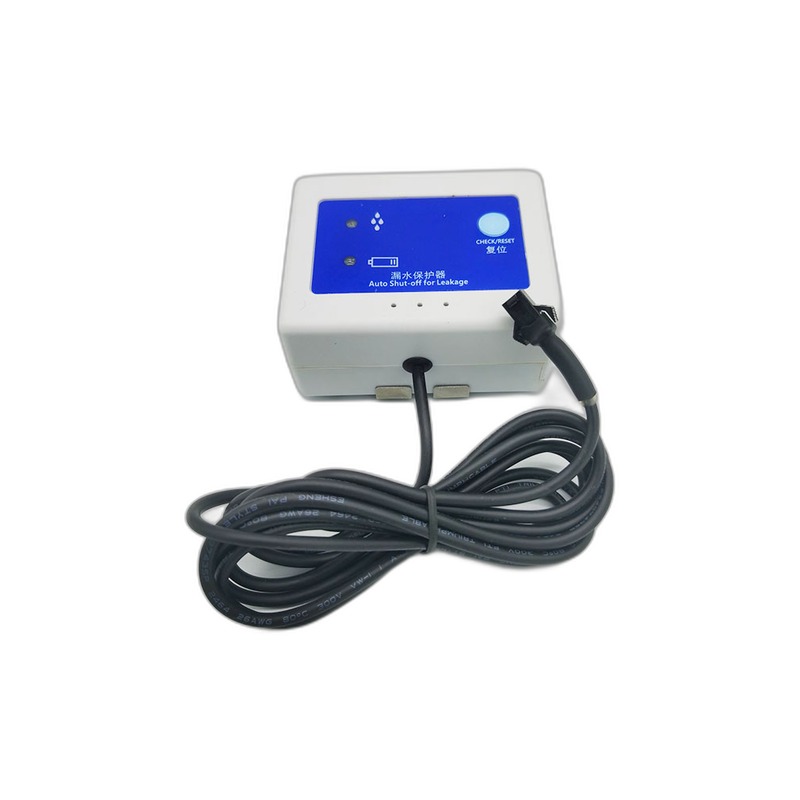
What a water leak detector does
It is basically a sensor on a cable. When water bridges the contacts on the probe, the controller registers the change in conductivity and fires an output. That output can do three jobs:
- Sound a local alarm to alert anyone nearby.
- Send a remote signal through a relay, dry contact, or smart-home channel.
- Close a valve and stop the water. This is the one that matters for unattended spaces.
A detector tells you there is water. A detector paired with a shut-off valve fixes the problem.
Where leak detectors belong
- Residential water heaters. Tanks fail from the bottom; a sensor on the drip pan catches it before the garage floods.
- Washing machine and dishwasher supply lines. Rubber hoses age fast. Put the sensor under the connection and stop a burst line before lunch.
- Server rooms and data closets. Water from HVAC drains or sprinklers destroys hardware fast. Early shut-off is cheaper than downtime.
- Commercial kitchens and restrooms. Sinks, ice machines, and mop sinks leak slowly. Detection prevents floor damage and slip hazards.
- Pump and boiler rooms. Catch seal failures, gasket drips, and pressure relief overflow before they pool on concrete.
- Storage and warehouse areas. Protect inventory near plumbing runs, sprinkler risers, and loading dock utilities.
If there is water, a pipe, and nobody watching, a leak detector probably belongs there.
Alarm-only or auto shut-off?
These two setups solve different problems.
Standalone leak detector (alarm only)
Best for occupied homes, small offices, or anywhere someone can respond quickly. Cheap, battery-powered, easy to install. The catch? It only alerts. Water keeps flowing until a person acts.
Detector + bi-stable solenoid valve kit
Best for water heaters, server rooms, remote sites, rental properties, or anywhere nobody is around 24/7. It shuts off automatically, has a manual reset button, and the latching valve only draws power when switching. The downside is that it needs AC power and a valve installed inline.
The second setup turns detection into protection. The bi-stable solenoid valve opens and closes with a short electrical pulse, so it does not draw power continuously. When the sensor detects water, the controller sends a pulse, the valve closes, and the water stops. You press the reset button to restore flow after the leak is fixed.
How to choose the right one
1. Decide: alarm, signal, or shut-off?
If you only need to know there is water, an alarm model is fine. If the space is unattended or the risk is high, buy the kit with the shut-off valve.
2. Match the valve to the pipe and pressure
| Pipe size | Common use | Valve material |
|---|---|---|
| 1/2" | Water heater, washing machine, dishwasher | Plastic or brass |
| 3/4" | Main residential line, small commercial | Plastic or stainless |
| 1" | Commercial mainline, small boiler room | Stainless or brass |
Pressure rating matters more than most people think. A valve rated below your normal line pressure will fail. Choose one with a comfortable margin above your worst-case pressure.
3. Choose enough sensor cable
Most standard kits ship with a 2-meter sensor cable. That is enough for a water heater pan or under a single appliance. For larger rooms, server floors, or long pipe runs, look for controllers that support longer or multiple sensor cables so one controller can cover more area.
4. Check the power supply
Controllers are usually AC110V/220V mains-powered, which is fine for fixed installations. Some sensor heads are battery-powered for standalone use. Make sure the voltage matches your site and that the valve coil is compatible with the controller output.
5. Look for manual reset
A leak detector that auto-resets can open the valve again while water is still present. Manual reset forces someone to inspect and fix the issue first. For critical applications, manual reset is non-negotiable.
The mistakes people make
- Relying on sound alone. An audible alarm only helps if someone is in earshot. In a server room at 2 a.m. or a vacant rental, nobody is.
- Wrong sensor placement. The sensor belongs where water will pool first: the low point, the drip pan, the floor drain. Not on a shelf.
- Ignoring valve power type. AC110V/220V controllers and DC valve coils do not mix unless the controller output matches. Check before wiring.
- Skipping the manual reset. Auto-reset valves reopen the moment the sensor dries, which can cycle the leak and waste water while the real fault is unfixed.
- Forgetting maintenance. Test the sensor every few months with a small cup of water. A sensor coated in dust or residue may not conduct.
What Ruichen has
Our water leak detection range pairs a smart controller with a bi-stable solenoid valve for automatic shut-off:
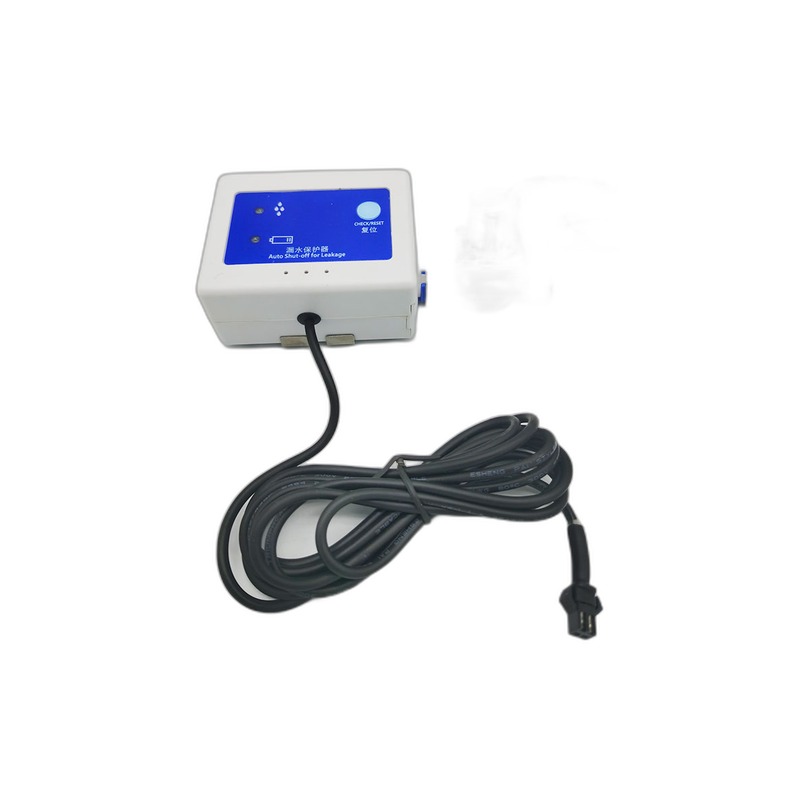
- Auto Water Leak Detector Controller — AC110V/220V, drip/leak sensor with 2m cable, auto shut-off output, manual reset button, alarm indicator.
- Leak Detector + Bi-Stable Solenoid Valve Kit — complete plastic-body kit for residential and commercial plumbing, latching pulse valve, automatic shut-off on detection.
- Leak Detector with Stainless Steel Bi-Stable Valve — food-grade stainless valve option, AC220V/DC24V, ideal for kitchens, food service, and higher-pressure commercial lines.
All are built for the places people forget about until something goes wrong: under tanks, behind appliances, and under raised floors.
When to spec one into a job
Any project with these traits should have leak detection built in:
- Remote or rarely occupied spaces
- Expensive flooring, equipment, or inventory below plumbing
- Insurance or warranty requirements for water damage mitigation
- Tenant spaces where you cannot control appliance maintenance
- High-value areas where downtime costs more than the hardware
The hardware is cheap. The avoided damage is not.
Need water leak detectors for a project? Browse the range at cnruichen.com/water-leak-detector/ or email [email protected].